
Your Custom Text Here
Some case studies...
In order to lead a viable project, it is necessary to go through different study cases that have worked in areas similar to those of my project. With this I was searching for strengths and weaknesses, because when we start a project, the ideal is to improve the previous ones.
In my case, I chose three main case studies that helped me to have a better understanding of different knowledge areas such as: To develop a system based on local resources, previous projects in La Guajira related to water access and water filtration elements.
In this post I will briefly show each case study:
The village hub:
In the modern days we were used to give solutions to problems believing that Globalization was the answer, trying to execute foreign strategies to a specific context. With the new trends we can see how this is changing and that the answers seem to be inside the same system having a problematic situation. In the following example we can see how a local village has been able to solve problems and convert themselves into a sustainable community.
“In the tropical rainforest the sugar palm tree (Arenga Pinnata) can be found. The village hub is a mini-factory, that is making sugar from the sap of the tree. Although the project is finished the process has been further optimized in recent years by combing new technologies and as a result of the whole system is now a zero waste system. Every residual product (like heat, organic waste etc.) is input for another process / product, thus optimizing the business model of the factory.”
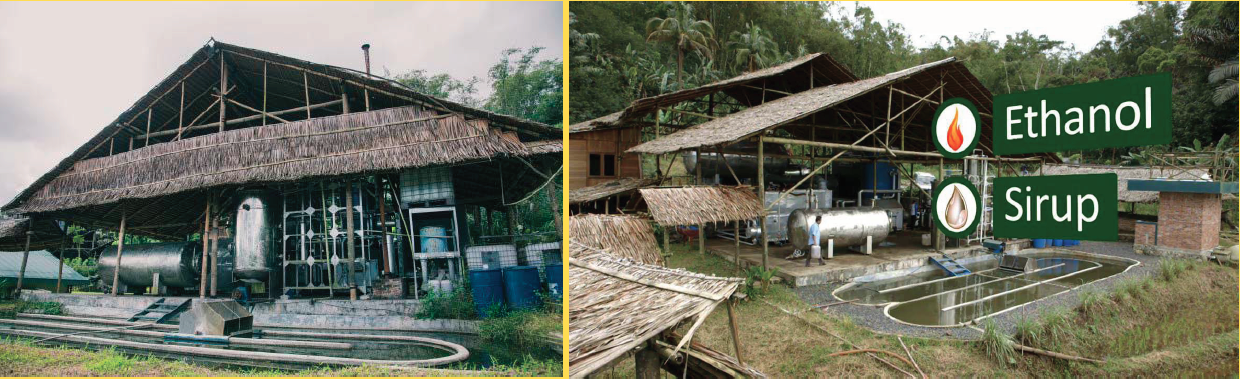
Unicef project Rehabilitation of water supply system:
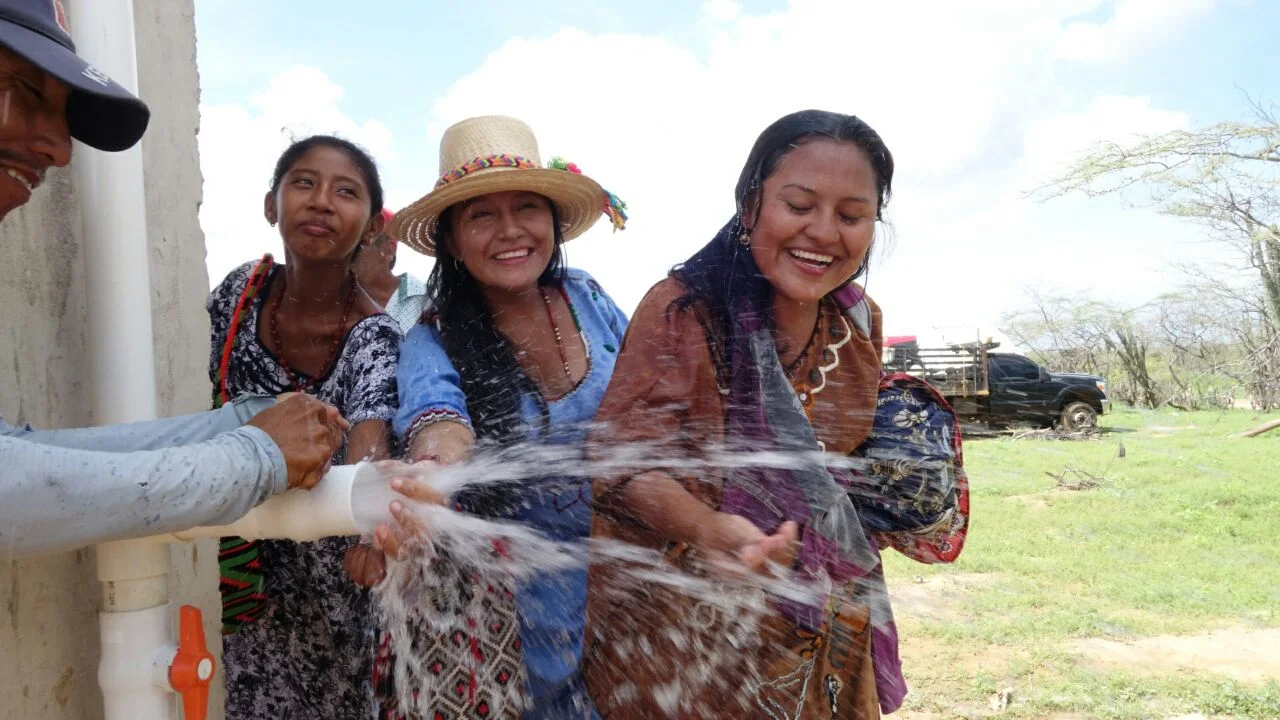
This project was a collaboration between the Ministry, Unicef nd Oxfam and they focus on schools exposed to the effects of drought and lack of water service. The project was carried out in Manaure area mainly, where they had help from the Wayuu communities and actions related to water access were developed, including the rehabilitation of the supply systems. The project was carried out in seven zones covering a total of 13 communities, benefiting 319 families integrated by 1,914 people, of which 648 are women, 646 are men and 620 girls and boys.
During the visit, they had the opportunity to see how rehabilitated wells operate. These work with an underground pump activated with to solar panels, which carry the water to a tank of approximately 6,000 liters. This allows to reduce the effort and time related to water obtaining and transportation of water, a role traditionally played by women, girls and boys.
Ekofil:
EKOFIL is a water purifying filter that has a clay body with a colloidal silver bath. These clay filters were located in houses and educational institutions, which makes water safe for human consumption.
The filter unit consists of molded porous clay, bathed in colloidal silver and installed on a plastic and hermetic container. Through the action of gravity, the filter converts undrinkable water from puddles, rivers, cisterns, lagoons, dubious aqueducts, etc., into clean, fresh, bacteria-free water.
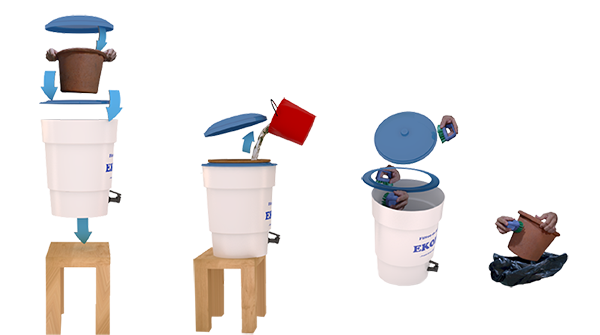
EKOFIL is a locally manufactured, practical and easy-to-use filter. Its innovative nature is evident in the context in which a series of conditions prevent meeting the basic need of children in early childhood to access safe water.
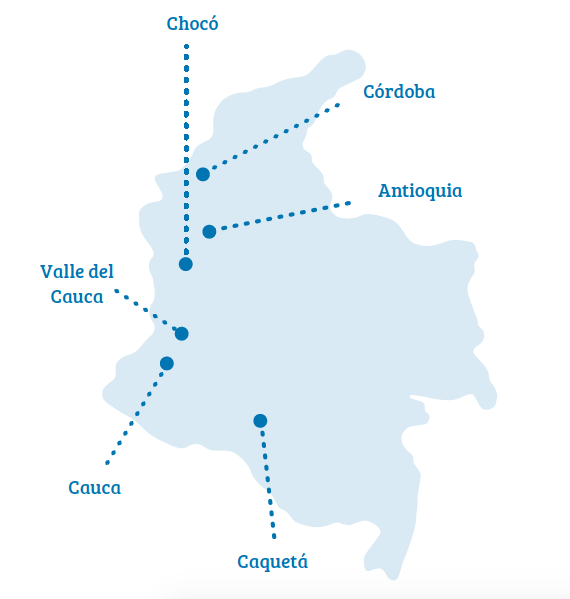
This solution has been implemented in different cities of Colombia such as:
LET ME INTRODUCE YOU TO LA GUAJIRA
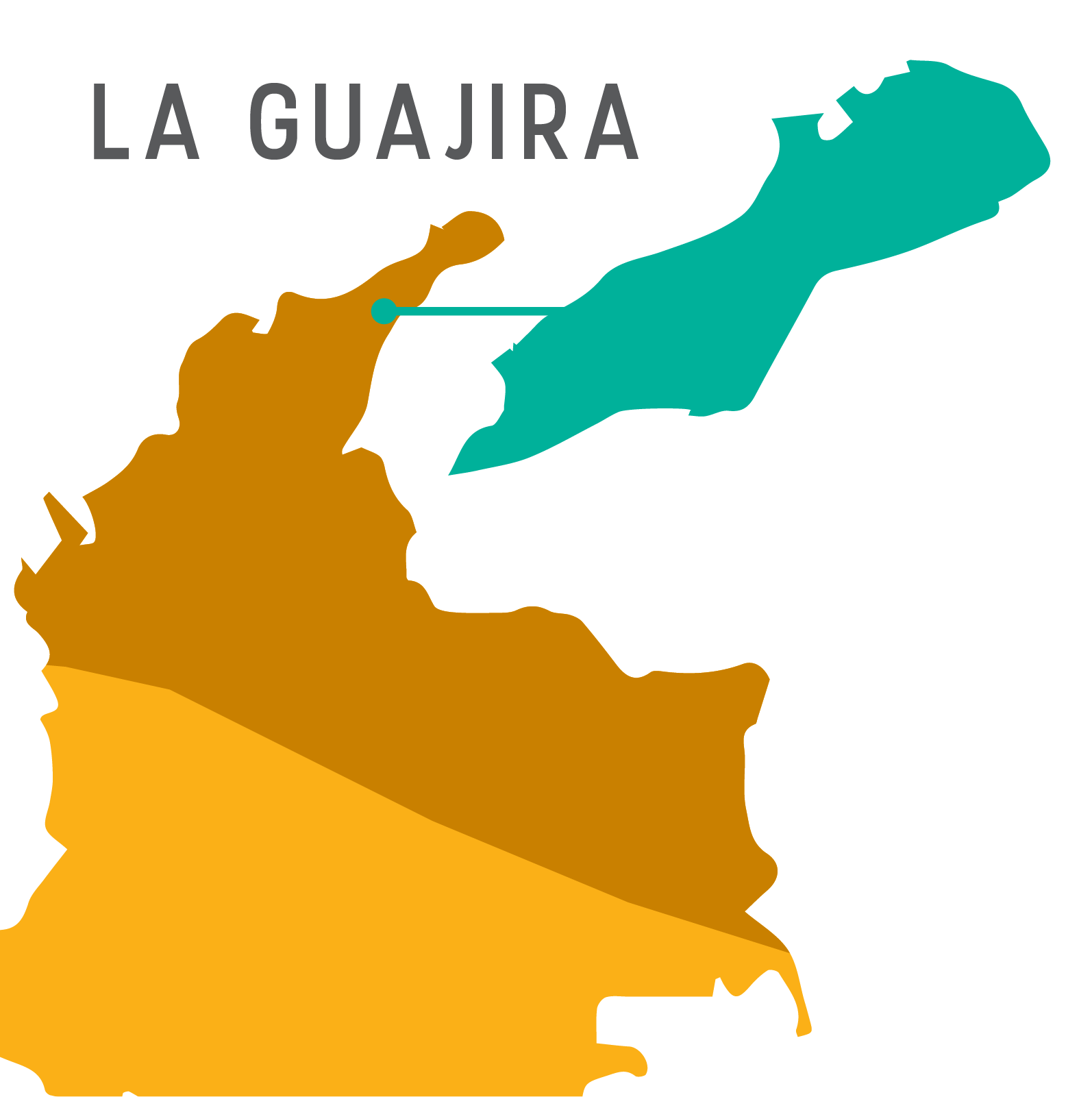
Guajira!
A department in Colombia. It is located in the northeast region of the country, on the Caribbean Sea and bordering Venezuela. It is divided in three sub regions: Upper, Middle and Southern Guajira. Most of the area is arid. The weather varies between 89 – 93 Fahrenheit.
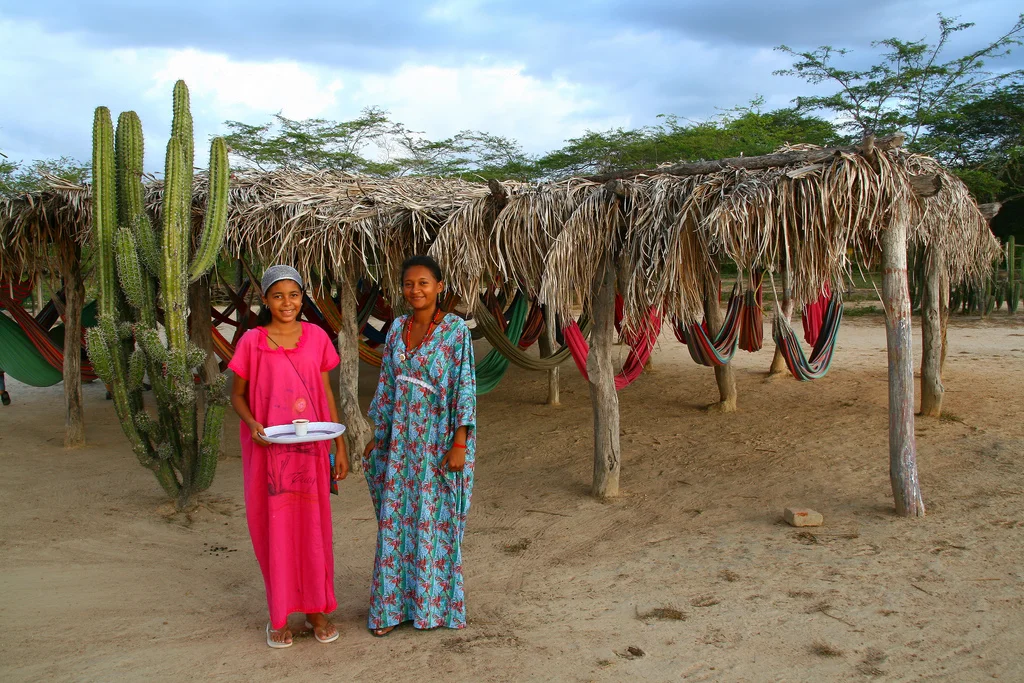
It is the home of the Wayuu indigenous tribes. The municipalities with the largest indigenous populations are: Uribia, Manaure and Maicao.
Los Wayuu are an indigenous community that inhabit this region. To this day they are the biggest indigenous group in the Colombian territory. There are approximately 100.000 living in la Guajira, and some others live either in the border between Colombia and Venezuela, or Venezuela itself. The majority of Wayuus that live in la Guajira are located in Uribia, a city which calls itself as the Indigenous capital.
Each small group of Wayuus has a handful of houses that are made of cane and adobe, a construction that could be considered to some extent suitable for a desert zone like this one.
Due to the climate change and the global warming they are facing hard conditions to live. They are going under a severe drought. They have serious problems within the context, from extreme heat to dehydration and no water apart from the salted sea water. It is clear the region’s chronic water shortage.
To show you how critical the situation is, I will share with you a small part of what Stephen Hide experienced while he was eating a goat stew. He is an author posting in The City Paper Bogota – a news website for English speakers.
“When I ask to wash my hands, the restaurant owner offers me a bowl of water that turns out to be the dish-washing bowl. As I plunge my hands in among greasy plates, I ponder how this exchange of bacteria will work, and in whose favour.
The Wayúu’s water crisis is as much about quality as quantity. Not only is there not enough water, but what water there is often gets polluted, causing diarrhea and malnutrition. This, combined with poor hygiene, has triggered a health crisis which has killed thousands of Wayúu in recent years.
”